
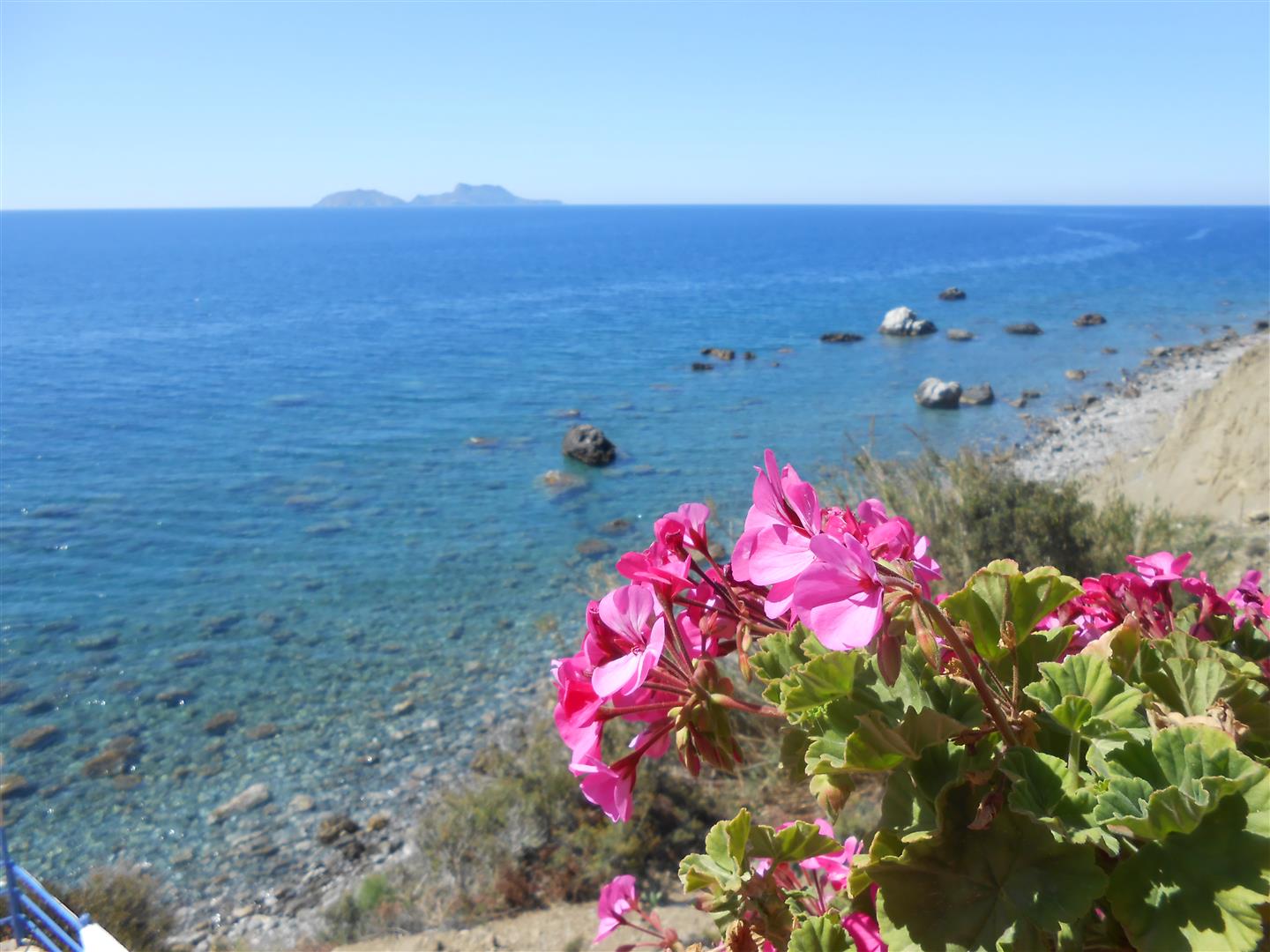
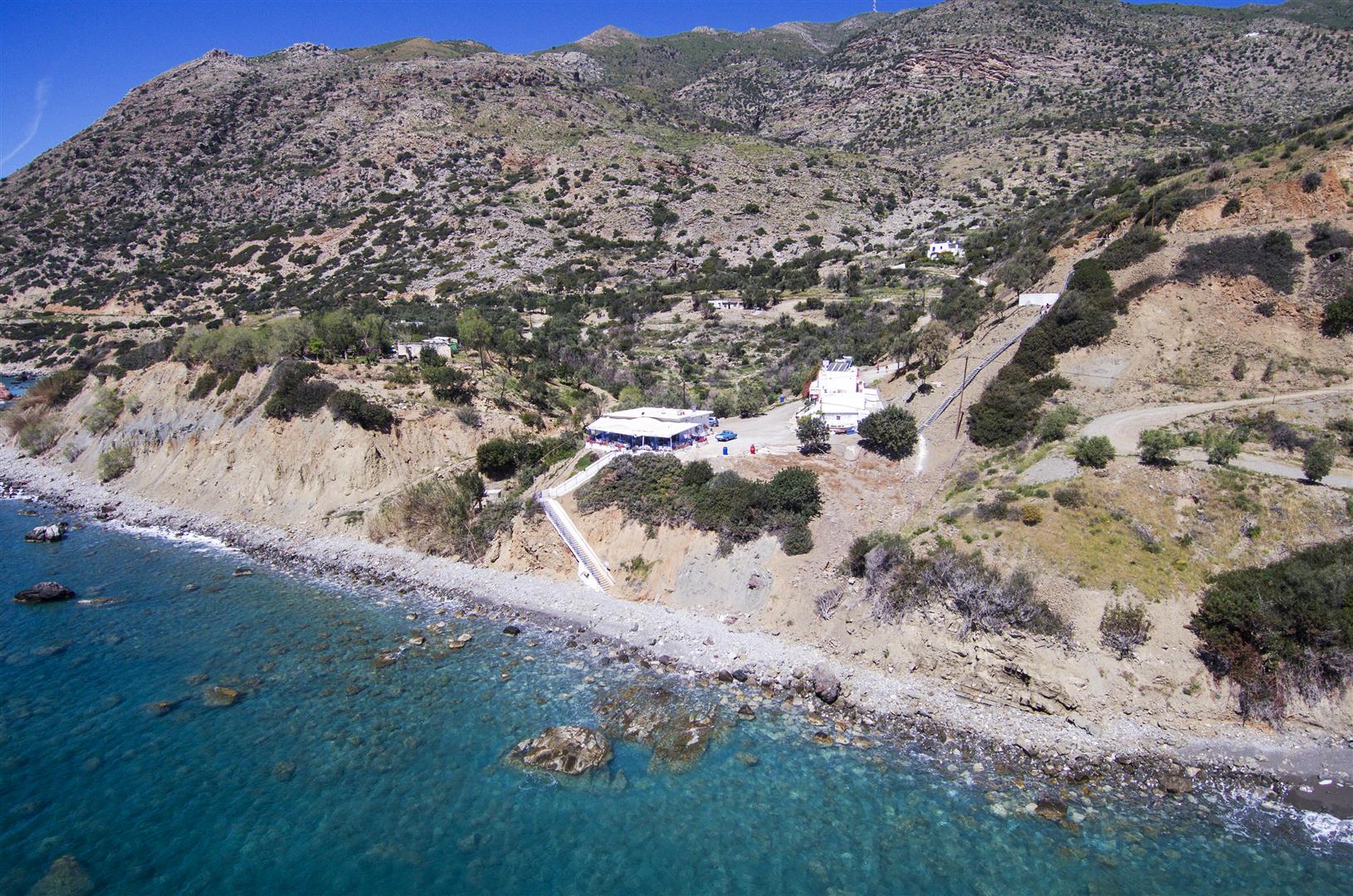
Agios Georgios
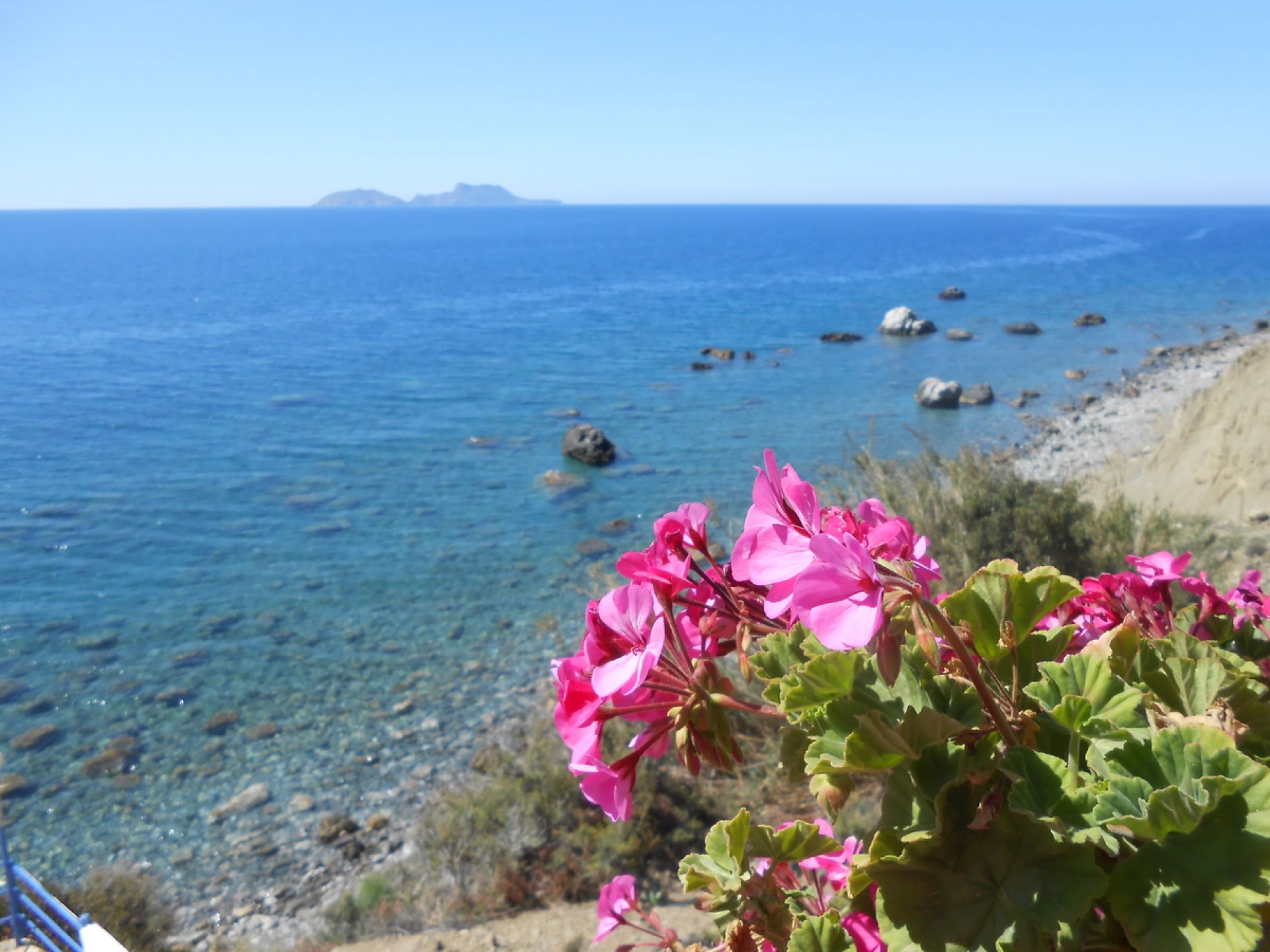
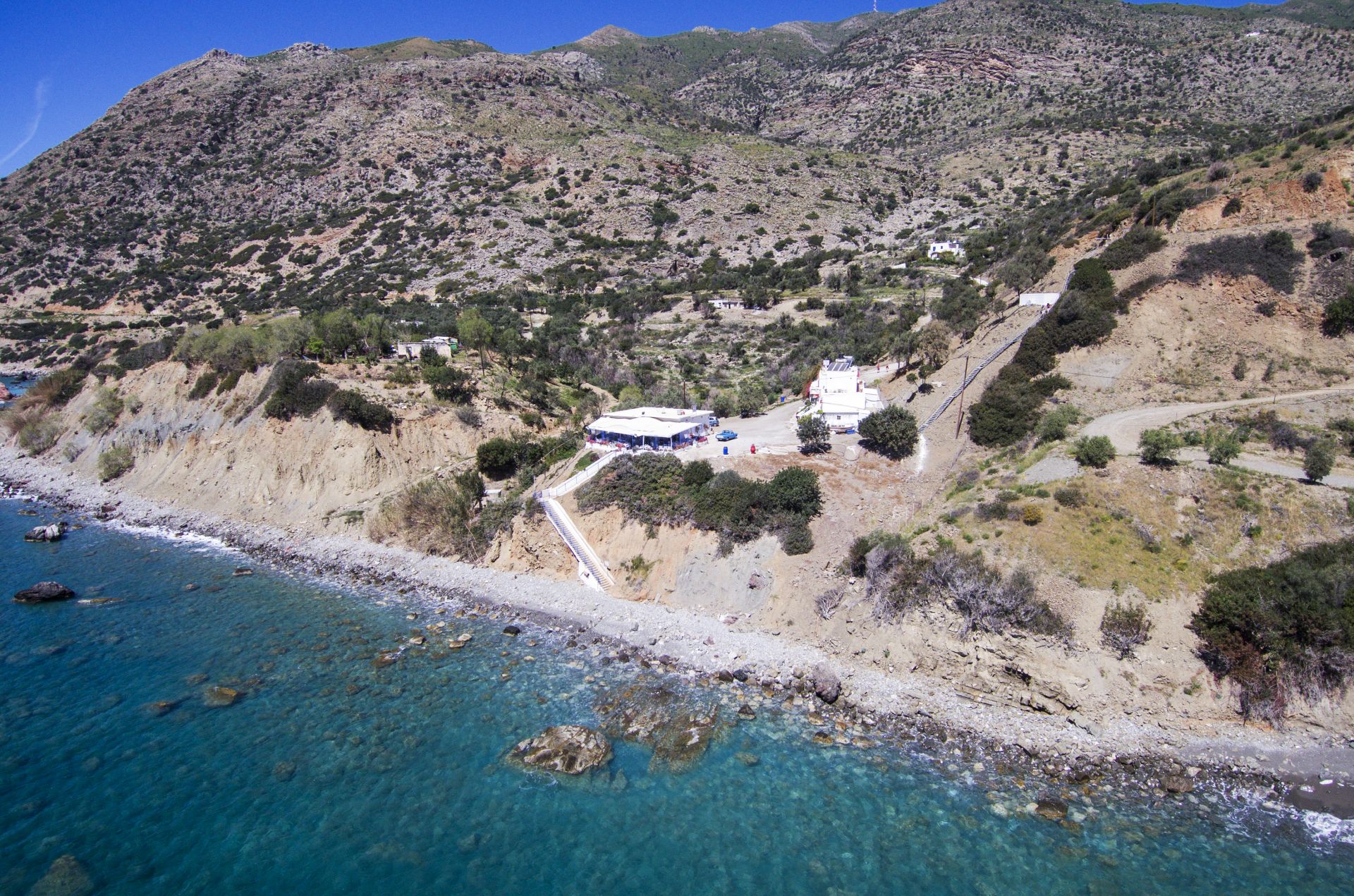
La plage Agios Georgios se trouve au sud de la Crète, un peu plus loin de Agia Galini. C’est un endroit loin de la cohue et du bruit de la vie urbaine. Le long de la plage vierge aux eaux cristallines le rend un lieu idéal pour des vacances agréables.
Sur la route vers Agios Georgios, vous trouverez plusieurs chemins qui vous mènent à des petites chapelles ou à des petites plages de galets tranquilles et calmes.
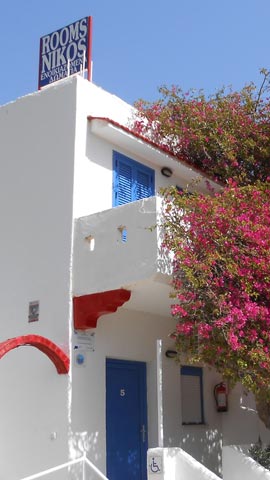
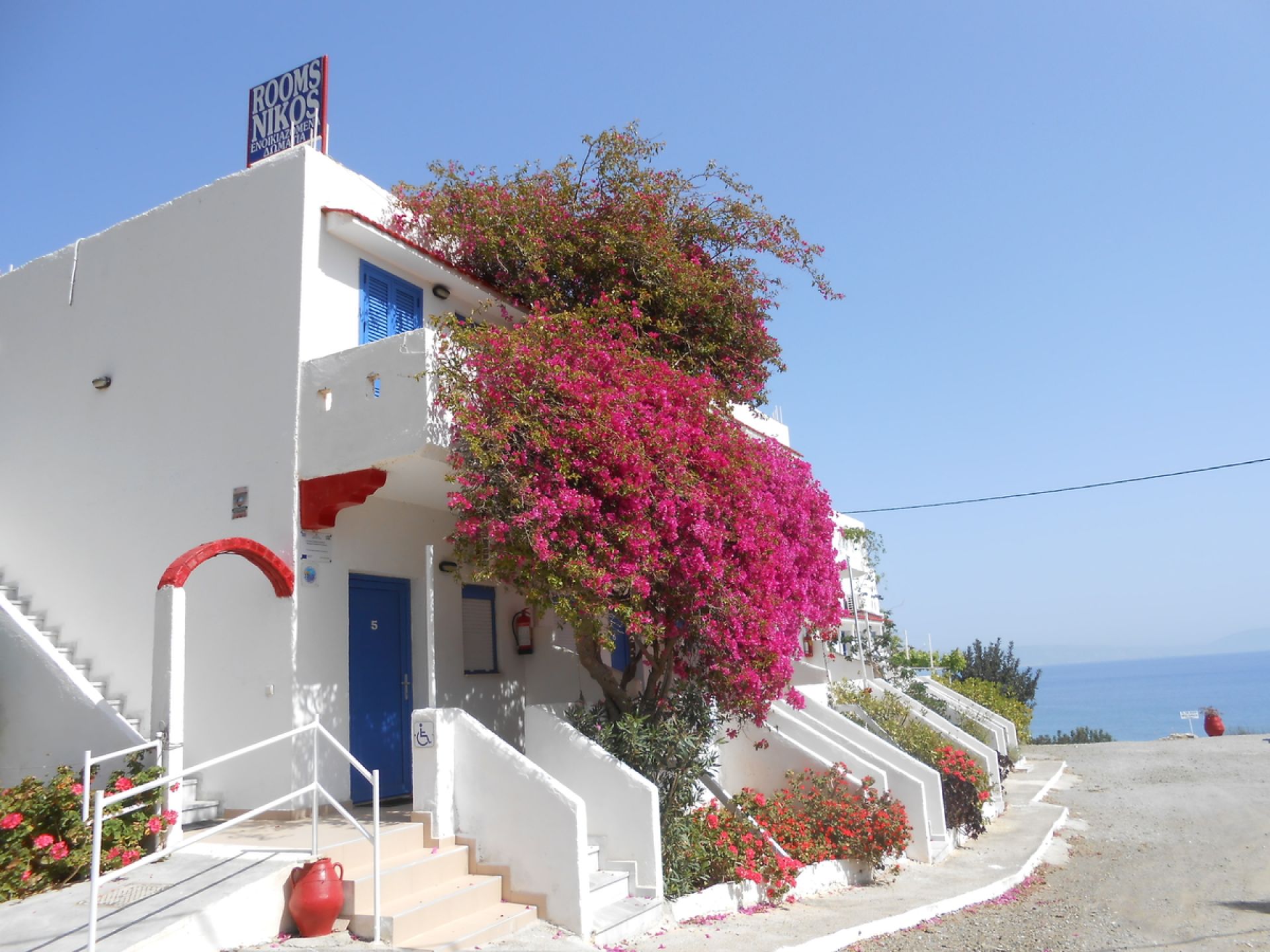
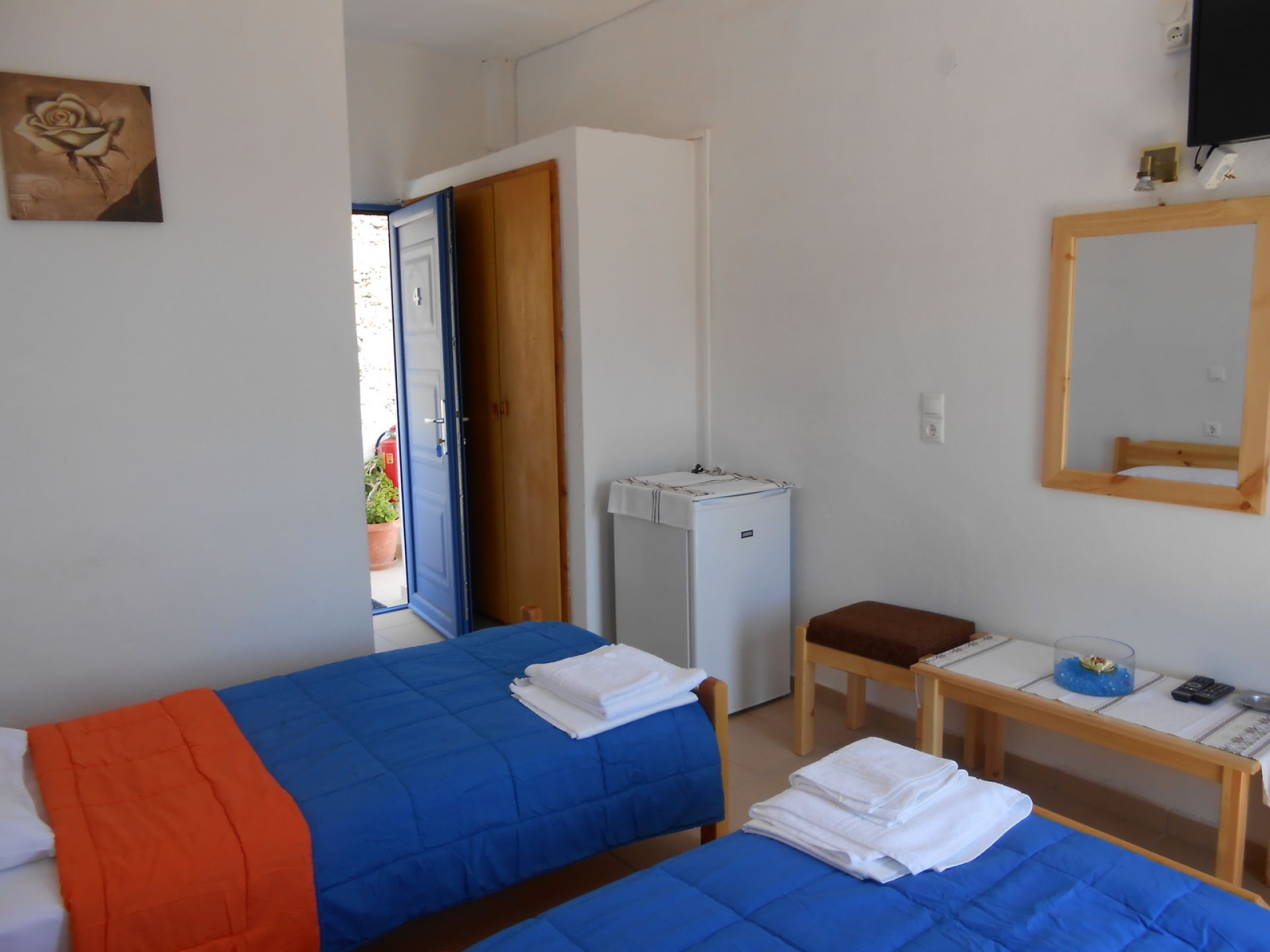
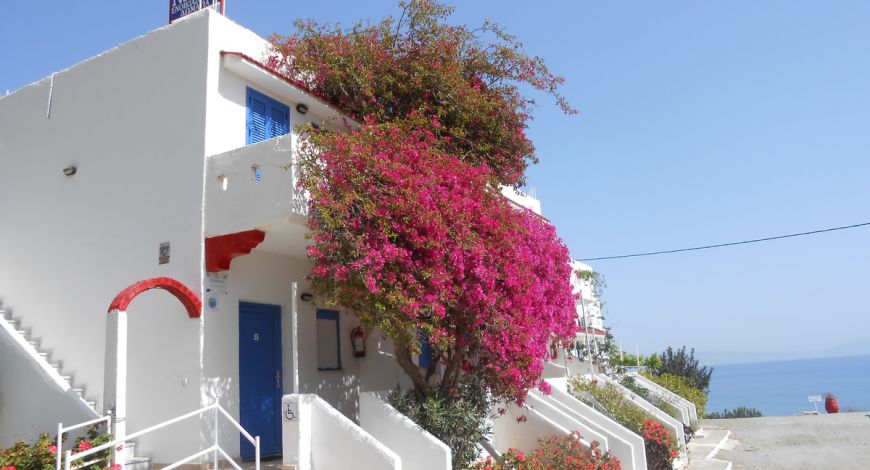
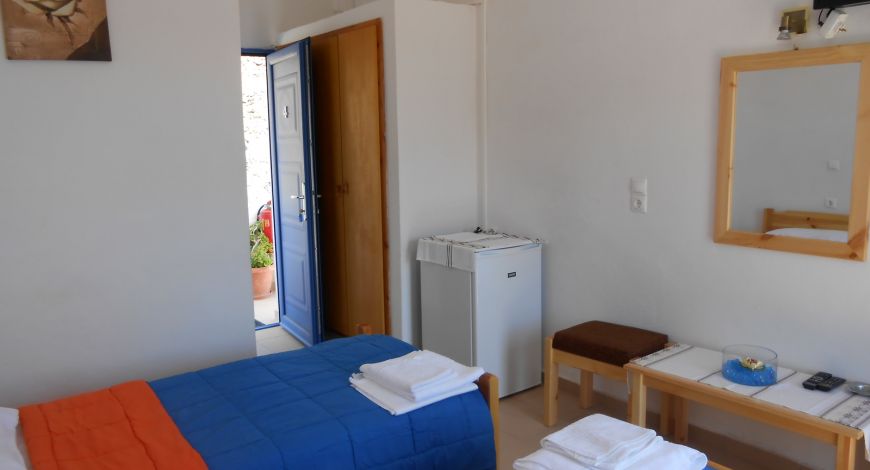
Nikos Place
Attractions
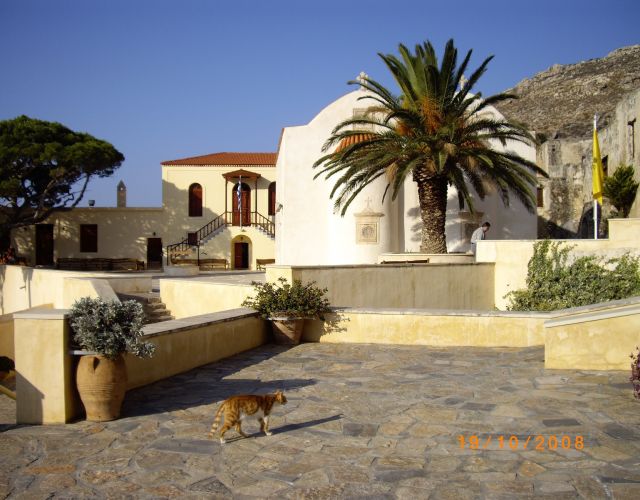
Monastère de Preveli
Le monastère a été fondé dans un paysage luxuriant, possède un jardin debuté au 16ème/17ème siècle et jouit d’ une longue et riche histoire.
De nos jours le monastère est inhabité cependant un musée est en fonction présentant des documents religieux, des vêtements sacerdotaux etc. Après avoit fini la visite du monastère, on peut marcher jusqu’ à la superbe plage voisine de Preveli.
Akoumia beach
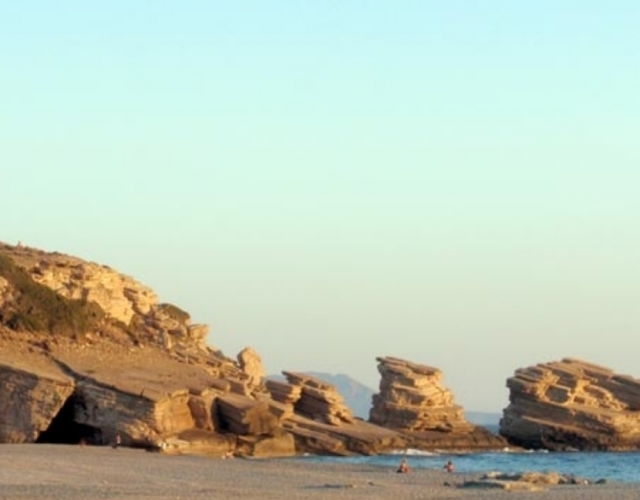
Il s’agit d’ une assez grande plage composée de galets. Elle est située juste à côté de la plage Triopetra avec des eaux profondes. Les visiteurs peuvent en profiter quand il n’ y a pas de ventι.
Saint Georges beach
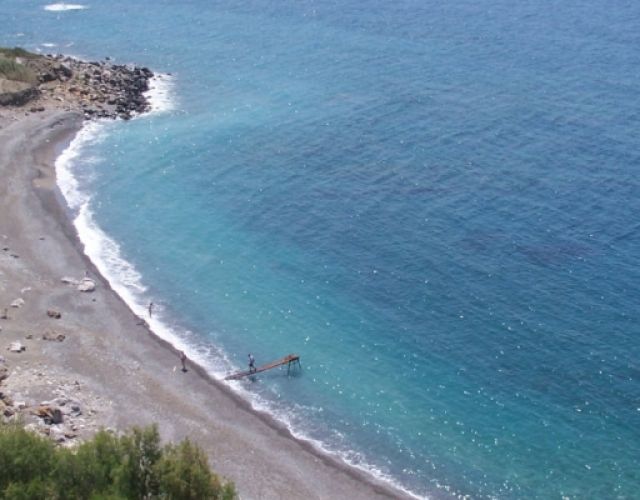
Il s’ agit d’ une très belle plage, just à côté de Agia Galini à laquelle on peut accéder soit en voiture, soit en barque depuis Agia Galini, soit à pied – il faut compter environ une heure à pied.
Matala beach
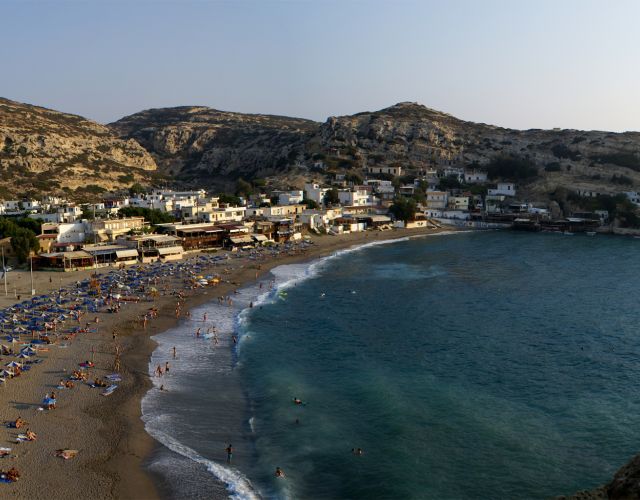
C’est une magnifique plage de sable à l’ abri de falaises des grottes, tombes troglodyte, taillées dans la roche, traditions de l’ âge de la pierre. C’ est à cette époque que les habitans sculptaient la roche de la région pour en faire leur habitation. Plus récemment les hippies ont habité ces grottes qui donc sont devenues fameuses dans le monde entier pour leur ambiance unique et decalée. La plage est organisée avec des parasols et des transats. Dans la localité on trouvera des magasins touristiques, des restaurants, des cafés et des bars avec une vie nocture animée.
Red Sand beach
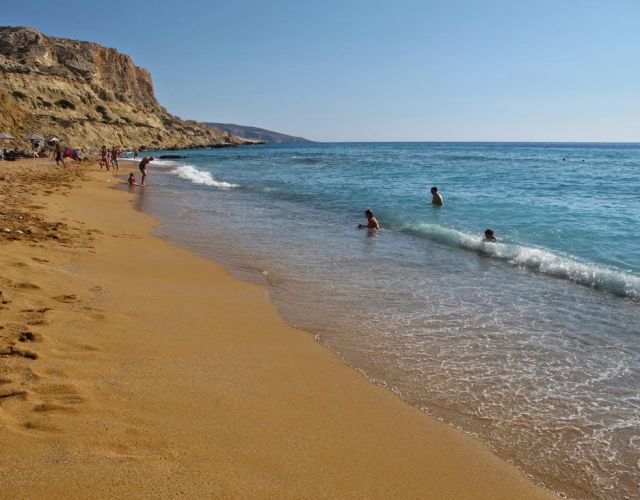
This beach (Red Sand) aka Kokkini Ammos is a secluded beach which can be reached only by foot – with the reddish sand that bestows on it its name, and turquoise waters.
It is open to the strong south winds, and not very organized – just a few umbrellas and sunbeds, as well as a small café-canteen, built roughly out of stone. It is sensible, if you visit, to take all you need with you as the canteen is not always open, and there are no tavernas or shops nearby.
Kokkini Ammos and surrounding area has been included in the EC ecological network of Natura 2000: a protected refuge of the Mediterranean Monk seal, the loggerhead turtles (Kareta kareta) and other animals.
Gortyna - Archaeological site
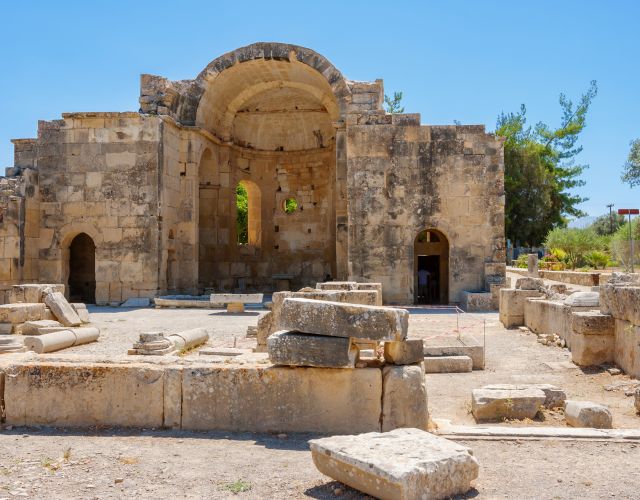
Gortyna, une cite ancienne de l’ île de Crète, était même devenue une capitale régionale pendant la domination romaine de l’ ile. De nos jours Gortyna est un intéressant site archéologique.
Selon la mythologie c’ est à Gortyna que Zeus s’ etait refugié après avoir enlevé Europe transformeé en taureau. Leurs trois enfants qui sont nés egalement à Gortyna, sont devenus les rois respectifs de trois palais minoens.
Gallery